
Menu
Same-Day Service Available!
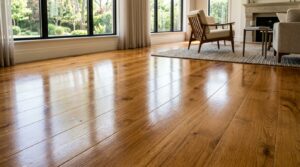
How to Clean Hardwood Floors Without Streaks in Blythewood, South Carolina is a common problem, especially when your floors look great in one room and hazy in another. Streaks usually come from one of three things: too much moisture, leftover cleaner residue, or the wrong tool dragging grime across the surface. Hardwood is not like tile. It has a protective finish, and that finish can show every swipe if the mop is too wet or if product builds up over time.
Our team here in Blythewood, South Carolina sees this a lot in busy homes. You mop because you want a clean, comfortable space. However, the floor dries and suddenly you see lines, cloudy patches, or dull areas that look worse in sunlight. That can feel frustrating, especially when you’re trying to keep things simple.
After more than 30 years of trusted service, we’ve learned that the best hardwood results come from a quick-drying mindset and a lighter touch. Hardwood needs controlled moisture, clean microfiber, and a residue-free approach. In addition, a family-safe routine matters, because floors are where kids play, pets nap, and everyone walks barefoot. A cleaning plan should make the home feel fresher, not leave behind sticky film that attracts dirt again.
How to Clean Hardwood Floors Without Streaks in Blythewood, South Carolina becomes much easier when you understand what streaks really are. Most of the time, streaks are not “dirt you missed.” They are cleaner or dirty water that dried unevenly. Sometimes they are waxy buildup from products that promise shine. Meanwhile, some mops leave too much water behind, and that water spreads soil and dulls the finish as it dries.
In the step-by-step section, we’ll walk you through a 10-step hardwood floor cleaning process that keeps moisture low, improves drying speed, and helps you avoid common mistakes that cause haze. We’ll also point out what’s safe vs what’s risky, plus the moment when professional hardwood floor cleaning becomes the smarter move. If you want floors that look even, feel clean, and stay easier to maintain, keep reading, because the step-by-step starts now.
How to Clean Hardwood Floors Without Streaks in Blythewood, South Carolina starts with knowing what you’re cleaning. Some floors are sealed with polyurethane. Others may be older and more sensitive, especially if they were waxed in the past. If you are not sure, look for clues. A waxed floor may look dull in traffic lanes and can smear when you rub a finger across it. A sealed floor usually looks more uniform and does not smear easily.
This matters because some products that seem harmless can cause haze or dullness on certain finishes. A quick spot test in a low-visibility area, like a corner near a baseboard, helps you avoid bigger problems.
What’s safe:
Using a pH-neutral cleaner designed for hardwood.
Spot testing before applying a new product to the whole floor.
What’s risky:
Using strong acids or harsh degreasers.
Using wax or polish products unless you know your floor is meant for them.
If you want a deeper clean that stays controlled and finish-friendly, our hardwood floor cleaning service is built for that kind of careful approach. You can see how we handle hardwood surfaces locally.
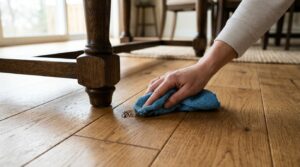
A big reason people struggle with How to Clean Hardwood Floors Without Streaks in Blythewood, South Carolina is that they mop before they remove dust and grit. Hardwood shows streaks when the mop drags fine debris into a thin film, then that film dries in lines.
Start with dry removal:
Use a microfiber dust mop, or vacuum using a floor brush attachment.
Avoid beater bars, because they can be too aggressive for wood finishes.
Focus on edges and under chairs, where dust collects.
HGTV also recommends starting with dust removal or vacuuming before doing a deeper clean because debris can scratch and contribute to poor results. Work with that advice and take your time on this first step.
What’s safe:
Microfiber dust mops and soft vacuum attachments.
Slow passes that actually pick up dust instead of pushing it around.
What’s risky:
Skipping dry cleaning and relying on the wet mop to “grab everything.”
Using rough brush heads or attachments that can scratch the finish.

Most streaks come from dirty solution or overuse of cleaner. If your mop water turns gray fast, you’re spreading soil. If you add more cleaner to compensate, you’re adding residue. Both lead to haze.
Use a simple two-bucket setup:
One bucket with clean water for rinsing the mop pad.
One bucket with your diluted hardwood cleaner.
If you prefer an even simpler approach, use a spray-and-wipe method:
Lightly mist a small section of the floor with cleaner.
Wipe immediately with a clean microfiber pad.
Switch pads as soon as they look dirty.
What’s safe:
Fresh microfiber pads and frequent rinsing.
Cleaning in sections so solution never sits long enough to dry unevenly.
What’s risky:
A string mop that holds too much water.
One bucket of increasingly dirty water for the whole room.
How to Clean Hardwood Floors Without Streaks in Blythewood, South Carolina requires less cleaner than most people think. Too much product leaves a film. That film catches light and looks like dull stripes, especially in sunny rooms.
Follow these guidelines:
Use a hardwood-specific cleaner, diluted as directed.
Avoid mixing multiple products.
Keep the floor barely damp, not wet.
If you want to use a DIY approach, be careful. Some common household solutions can dull finishes when overused. HGTV notes that gentle cleaning methods and surface-appropriate products matter for protecting the finish.
What’s safe:
A pH-neutral hardwood cleaner used sparingly.
Microfiber pads that pick up residue instead of leaving it behind.
What’s risky:
Vinegar-heavy mixtures used frequently.
Oil soaps or “shine enhancers” that build up and attract soil.
Next, we’ll cover the exact wiping pattern that prevents swipe marks, how to handle sticky spots without flooding the boards, how to dry and buff for an even finish, and when it’s time to schedule professional hardwood cleaning if streaks keep coming back.
How to Clean Hardwood Floors Without Streaks in Blythewood, South Carolina gets easier when you stop trying to mop the whole room in one pass. Hardwood streaks appear when cleaner dries mid-job or when the mop leaves uneven moisture. The fix is simple: work in small sections and keep your strokes consistent.
Start at the far corner of the room and work toward the exit. Lightly mist or damp-mop a section about 4 feet by 4 feet. Then wipe with the grain of the wood whenever possible. If your planks run lengthwise, move lengthwise. This helps you pick up residue rather than pushing it sideways into seams.
Expert tip: Overlap your passes slightly. Hard stops and sharp turns are common streak makers because they leave heavier moisture at the turn point.
What’s safe:
Short sections and consistent direction.
Using a clean microfiber pad that glides smoothly.
What’s risky:
Back-and-forth scrubbing across the grain.
Cleaning large areas and letting solution dry before you can wipe it up.
Hardwood streaks often form around sticky spots because people pour cleaner directly on the area and scrub. That adds moisture and spreads residue. Instead, treat sticky spots with a controlled approach.
Spray a small amount of cleaner directly onto a microfiber cloth, not on the floor. Press the cloth onto the sticky area for 10–15 seconds to soften the residue. Then wipe gently with the grain. If the spot remains, repeat once more rather than adding more liquid.
For heavier buildup near the kitchen or entry, switch to a fresh cloth. Using a dirty cloth is like wiping with a greasy rag. It leaves film behind, and that film dries into streaks.
What’s safe:
Applying cleaner to the cloth first.
Using light pressure and repeating once if needed.
What’s risky:
Pouring cleaner onto the floor.
Using steam on wood floors, which can force moisture into seams.
If you have used too much product in the past, your floor may have buildup. In that case, you can keep asking How to Clean Hardwood Floors Without Streaks in Blythewood, South Carolina and still see haze because residue remains on the finish.
A light rinse pass can help, but it must be controlled:
Fill a spray bottle with plain water.
Mist a small section very lightly.
Wipe immediately with a clean microfiber pad.
Follow with a dry pad to buff and remove moisture.
You’re not “mopping with water.” You’re removing leftover film. The dry buff is what prevents streaking.
What’s safe:
Light mist and immediate wipe.
Using two pads, one slightly damp and one dry.
What’s risky:
Flooding the floor to rinse.
Leaving water sitting along seams or near baseboards.
This is the step most people skip, and it’s one of the biggest reasons streaks show up. Even when you use low moisture, tiny traces of cleaner can dry unevenly. A dry buff removes that last layer and leaves the finish looking even.
After you clean each section:
Switch to a dry microfiber pad.
Buff in long passes with the grain.
Pay attention to window light areas, because sunlight highlights haze.
If you are cleaning by hand, use a dry microfiber towel and a gentle “polishing” motion. The goal is not shine. The goal is uniform, streak-free drying.
What’s safe:
Dry buffing as a final pass.
Changing pads when they start to feel damp.
What’s risky:
Letting the floor air-dry when you suspect residue is present.
Using wax or polish to hide haze, because it often creates more buildup.
A quick-drying mindset is part of How to Clean Hardwood Floors Without Streaks in Blythewood, South Carolina because moisture that lingers can leave marks. After you finish a room, increase airflow.
Turn on ceiling fans.
Run your HVAC fan setting if available.
Open windows only if outdoor humidity is reasonable.
Keep pets off the floor until it feels fully dry.
In Blythewood, South Carolina, humidity can change how fast floors dry, especially in spring and summer. Faster drying reduces the chance of residue settling back onto the finish as moisture evaporates.
Mid-blog booking nudge:
If streaks keep returning no matter what you do, or if you’re worried about damaging the finish with trial-and-error products, scheduling a professional hardwood floor cleaning can be the safer path to a clean, even result without the stress.
DIY works well for routine dust and light grime. However, if you’ve tried low-moisture cleaning and still see haze, you may be dealing with product buildup or embedded soil in the finish texture. That’s when professional hardwood floor cleaning becomes the smarter move, because it targets residue safely and resets the surface without over-wetting.
Call a pro when:
Your floors look cloudy even after dry buffing.
Streaks appear mainly in sunlight and never fully go away.
The floor feels sticky after it dries.
You suspect polish or soap buildup from past products.
You want a consistent finish-friendly clean across the whole home.
If you want help from our local team, you can learn more about our process or schedule quickly online.
Natural stopping point: Now that you have a complete 10-step routine, the next section explains the benefits of professional hardwood floor cleaning, including how it supports a fresher home feel, protects the finish, and helps prevent streaks from coming back.
Hardwood floors cover large areas of the home, which means they influence how the entire space feels. When floors look hazy or streaky, the room can feel less clean even if everything else is tidy. Professional hardwood floor cleaning helps create a cleaner-looking baseline, and that makes the home feel more comfortable day to day. In addition, a proper cleaning approach avoids the heavy residue that can come from overusing mop solution. Less residue means less “grab” for dust and grime, which helps floors stay looking even longer.
The finish is what protects hardwood. When people scrub too hard or use the wrong products, they can dull that finish over time. Cleaning the right way helps protect the surface because it removes abrasive grit and sticky film without stripping protection. That matters in Blythewood, South Carolina homes where entryways bring in outdoor dust, pollen, and fine grit that can wear on floors if it’s not removed regularly. A deeper clean helps lift what dry mopping alone leaves behind, which supports long-term maintenance.
Most homeowners don’t want glossy floors. They want consistent floors. Hardwood looks best when it has an even, natural finish with no streaks, no cloudy patches, and no sticky feel underfoot. A professional hardwood floor cleaning helps restore that consistent appearance, especially in areas that catch sunlight. It also improves comfort because floors feel cleaner to walk on and easier to maintain between deeper cleanings.
One of the biggest benefits is reducing repeat streaking. When residue buildup is removed properly, your regular microfiber routine works better. You can use less product, clean faster, and get a streak-free result more consistently. That’s important because the goal is not to spend every weekend fighting haze. The goal is a simple routine that keeps the home looking cared for, especially in busy Blythewood, South Carolina households.
Next, we’ll go deeper into home care habits and pro tips that prevent streaks, including how often to clean, what tools make the biggest difference, which products commonly cause haze, and how to keep floors looking even between professional cleanings.
How to Clean Hardwood Floors Without Streaks in Blythewood, South Carolina becomes much easier when you treat dust and grit like the main problem, not an afterthought. Fine debris is what creates that smeared, hazy look once moisture hits it. Start with dry removal most days in high-traffic areas. A microfiber dust mop works well because it grabs particles instead of pushing them. If you prefer a vacuum, use a soft brush attachment and avoid aggressive rollers that can scratch finishes.
In Blythewood, South Carolina, entryways and living room pathways usually collect the most gritty soil. A quick, consistent dry pass keeps that grit from building up and reduces how often you feel like you need a full wet clean. When you do wet clean, you’ll notice the difference right away. The mop glides better, the water stays cleaner longer, and the floor dries more evenly.
A simple frequency that fits most homes is a quick dry pass 3–5 times a week in the busiest areas and a more thorough dry pass once a week in the entire room. This tip alone prevents a lot of streaking because it removes the stuff that causes streaks in the first place.
Many streak problems come from the tool, not the cleaner. String mops hold too much water and they tend to spread dirty solution around. Microfiber pads use less moisture and pick up more residue, which is why they help with How to Clean Hardwood Floors Without Streaks in Blythewood, South Carolina.
Keep a few pads on hand so you can swap them out mid-clean. Once the pad looks gray or feels damp and heavy, it’s no longer cleaning well. It’s redistributing grime. Switching pads keeps the floor from getting a thin film that dries in lines. If you prefer a spray-and-wipe routine, use one pad for cleaning and a second pad for a dry buff. That dry buff is what takes you from “pretty good” to consistently streak-free.
For homes with kids and pets, changing pads frequently is one of the easiest ways to keep floors looking even without using more product. The pad does the work. Too much cleaner usually makes the problem worse.
How to Clean Hardwood Floors Without Streaks in Blythewood, South Carolina gets harder when floors have a history of polish, oil soap, or shine enhancers. Many of those products leave a coating. That coating catches dust and creates cloudy streaks once you mop. It can also make floors feel sticky, especially in humid months.
If you suspect buildup, simplify your routine for a few weeks. Use a hardwood-safe, pH-neutral cleaner sparingly, and do a light rinse pass only when needed. A rinse pass does not mean flooding the floor. It means a fine mist of clean water on a small section, followed by immediate wiping and a dry buff. That process helps lift leftover film without pushing moisture into seams.
A quick check is the sunlight test. If haze shows up most in bright window light, it’s often residue, not “new dirt.” Removing residue carefully gives you the most noticeable improvement and makes future cleaning much easier.
Moisture control is the backbone of How to Clean Hardwood Floors Without Streaks in Blythewood, South Carolina. Hardwood finishes do best with light moisture and quick drying. Even if your boards are sealed, excess water can creep into seams, lift residue, and leave marks when it dries unevenly.
Keep your floor only lightly damp. If you see visible wetness or puddling, your mop is too wet. Wring it out more, reduce spray, and work in smaller sections. Also pay attention to how you rinse. Dirty rinse water is streak water. Use fresh water more often than you think you need, and never “finish a room” with water that has already cleaned the kitchen.
For general hardwood care principles that support streak-free results, HGTV’s hardwood floor cleaning guidance is a useful reference, especially on the importance of using the right tools and avoiding overly wet cleaning methods. Use that as a baseline and keep your routine light, consistent, and quick-drying.
Most streak issues don’t happen evenly across the home. They show up in high-traffic paths, in the kitchen, near doorways, and in sunny living rooms where the light exposes haze. Instead of cleaning every room the same way, treat those zones like mini projects. Dry clean them more often, spot-clean sticky marks with cleaner on a cloth instead of on the floor, and always dry buff after.
A gentle scheduling reminder: if you keep repeating the same routine and the haze returns quickly, or if the floor feels sticky after it dries, it may be time for a professional reset. Product buildup and embedded grime can be stubborn, and guessing can make it worse. When we do a hardwood floor cleaning, we focus on removing residue safely and leaving you with a clean, even baseline that’s easier to maintain.
If you want to make scheduling simple, you can book a visit now and we’ll help you get back to a streak-free finish without the trial and error.
How to Clean Hardwood Floors Without Streaks in Blythewood, South Carolina is not just about making floors look good for a day. It’s about protecting the finish and making your routine easier long term. Our team approaches hardwood differently than hard scrubbing and heavy product use. We focus on controlled methods that clean effectively while respecting the protective layer on the wood. When the finish stays in good shape, floors look better, clean easier, and resist that cloudy, streaky look that frustrates homeowners.
Our company is built on long-term service and strong values, and we bring that same mindset into homes here in Blythewood, South Carolina. Families trust us because we keep the process straightforward, we communicate clearly, and we aim for results that fit real life. We stick to a family-safe approach and avoid harsh habits that leave behind sticky residue. In addition, we keep a quick-drying mindset because floors should not stay wet for hours. A controlled, low-moisture approach helps the home get back to normal faster and reduces the chance of streaks reappearing after the floor dries.
Streaks usually come from patterns. Dirty mop water, too much solution, and uneven drying create most of them. We pay attention to those details so the final result looks even, not patchy. We also look for the root cause. If the floor has polish buildup, we focus on removing residue safely. If the problem is mostly traffic soil and sticky spots, we target those zones without soaking the boards. When you understand why your floor streaks, you can maintain it with far less effort.
We know hardwood floors are a major part of your home’s look and comfort. Our goal is to help you keep them clean without stress, and to give you a baseline that stays streak-free longer. That means we explain what we see, share simple maintenance tips, and help you avoid product habits that create haze. We also care about the experience, not just the outcome. A clean floor should feel like a relief, not another project added to your week.
Next, we’ll answer the most common Blythewood, South Carolina questions about streaky hardwood, haze and residue, the safest products to use, how often to clean, and when a professional hardwood floor cleaning makes the biggest difference.
Streaks usually show up because moisture or cleaner residue dried unevenly. When you’re working on How to Clean Hardwood Floors Without Streaks in Blythewood, South Carolina, the most common causes are a mop that’s too wet, dirty rinse water, or too much product. Microfiber helps, but only if you change pads often. If you mop a whole room with one pad, the pad becomes saturated with soil and starts spreading a thin film. That film dries into lines, especially in sunlight. Another issue is product buildup from past cleaners or polish. Even if you use a good cleaner today, the old residue underneath can keep showing through as haze. A simple fix is to clean in smaller sections, use less solution, and finish with a dry buff. If streaks remain after that, it may be time for a professional reset to remove buildup safely.
The safest choice is a pH-neutral cleaner made specifically for sealed hardwood. This helps you avoid harsh chemistry and sticky residue, which are common streak triggers. When you’re following How to Clean Hardwood Floors Without Streaks in Blythewood, South Carolina, the cleaner matters less than the amount you use. Many floors streak because people use too much product, not because they used the wrong brand. Use a light spray or a lightly damp microfiber pad, then dry buff. Avoid heavy “shine” products unless your floor requires them, because they often build up and cause haze. Also be cautious with DIY vinegar mixtures. Even when they don’t damage the finish, frequent use can lead to dullness and uneven results. If you’re unsure about your finish type, start with the gentlest hardwood-safe option and spot-test first.
Vinegar is popular, but it’s not always the best solution. Some homeowners in Blythewood, South Carolina use diluted vinegar and get okay short-term results. However, vinegar-based cleaning can contribute to dullness or uneven appearance over time, especially if it’s used frequently or in stronger concentrations. Vinegar can also leave its own type of residue pattern if the floor isn’t wiped and dried well. For How to Clean Hardwood Floors Without Streaks in Blythewood, South Carolina, a hardwood-specific cleaner used lightly with microfiber tends to produce more consistent results. If you do use vinegar occasionally, keep it very diluted, use minimal moisture, and always dry buff after. If the floor already has buildup from other products, vinegar won’t reliably remove that film and can make streaking more noticeable in bright light.
Frequency depends on traffic, pets, and how much dust comes in from outside. In many Blythewood, South Carolina homes, a dry microfiber dust mop several times a week keeps dust from building up and reduces the need for wet cleaning. Wet cleaning can be once a week or as needed, but keep it low moisture and use minimal product. High-traffic zones like entryways and kitchens may need spot cleaning more often, especially for sticky marks. The key for How to Clean Hardwood Floors Without Streaks in Blythewood, South Carolina is not cleaning more aggressively. It’s cleaning more consistently with less solution. When you keep grit and film from building up, streaks become less likely. If you notice the floor looking cloudy even when it’s “clean,” that’s often a sign of buildup, and a professional reset can help restore a clean baseline.
A flat microfiber mop with washable pads is usually the best option. It controls moisture, picks up residue, and leaves a more even finish than string mops. For How to Clean Hardwood Floors Without Streaks in Blythewood, South Carolina, the pad matters as much as the mop. Keep several pads and swap them during cleaning. If you keep using a dirty pad, you’ll leave film behind. A spray mop can work if it uses microfiber and you don’t overfill it with solution. Avoid mops that stay overly wet or that leave puddles, because water sitting on hardwood increases the chance of streaking. If you want the most consistent results, clean in small sections and dry buff with a second pad. That extra pass is what makes the finish look even, especially in sunny rooms.
Sunlight highlights residue. Cloudiness in bright rooms is often film from cleaner, polish buildup, or dirty water that dried on the surface. It can also be microscopic dust that wasn’t removed before wet cleaning. When you’re working on How to Clean Hardwood Floors Without Streaks in Blythewood, South Carolina, do a dry-first routine, then use minimal product and finish with a dry buff. If cloudiness remains even after you do those steps, the floor may have buildup from past products that needs a deeper, finish-safe removal. Another clue is feel. If the floor feels slightly tacky or grabs your socks, residue is likely present. A professional hardwood floor cleaning can help remove that buildup safely and restore a more even, natural appearance.
Book professional help when streaks and haze keep returning despite low-moisture cleaning and dry buffing. If you suspect product buildup, if the floor feels sticky after it dries, or if sunlight always reveals cloudy patches, it’s often time for a professional reset. Professional hardwood floor cleaning is also a good idea before special events, home photos, or seasonal deep cleaning, because it restores an even baseline that’s easier to maintain. For How to Clean Hardwood Floors Without Streaks in Blythewood, South Carolina, professional service is especially helpful when you’re unsure which products are safe for your finish. If you want a simple next step, you can schedule online and we’ll help you get back to a clean, even look without the trial-and-error.

How to Clean Hardwood Floors Without Streaks in Blythewood, South Carolina comes down to a few reliable habits. Dry clean first to remove grit, use minimal cleaner, work in small sections, and finish with a dry buff so moisture doesn’t dry unevenly. Avoid heavy “shine” products that leave film, and keep your microfiber pads fresh so you’re lifting residue instead of spreading it. With a quick-drying mindset and a lighter touch, hardwood floors usually look more even, feel cleaner underfoot, and stay easier to maintain throughout the week.
Some floors, however, have buildup from past products or stubborn haze that DIY routines can’t fully remove. If you’ve tried the steps and streaks still show up in sunlight, a professional reset can save time and protect your finish. Our team can help you restore a clean baseline that makes your at-home routine work better and keeps streaks from coming back as quickly.
If you’re ready for a clean, even finish, schedule an appointment with Safe-Dry Carpet Cleaning of Blythewood, South Carolina today. We’ll help your hardwood floors look consistent again, using a controlled, family-safe approach that fits your home and your routine.


